

COLLECTIVE MOVEMENT
SOME COLONIES CAN INCLUDE HUNDREDS OR EVEN THOUSANDS OF INDIVIDUALS LIVING TOGETHER.
WHERE
THEY
LIVE
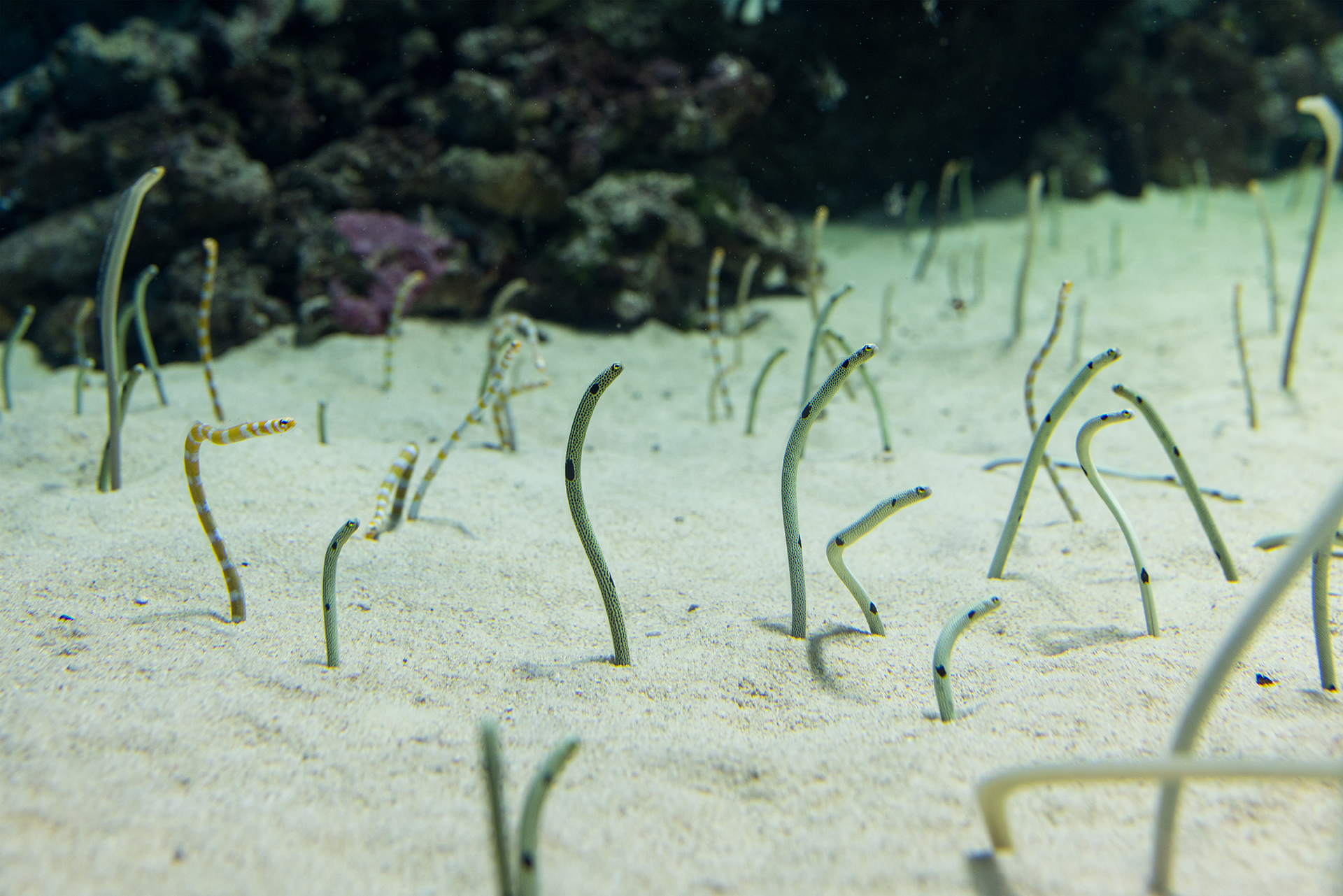
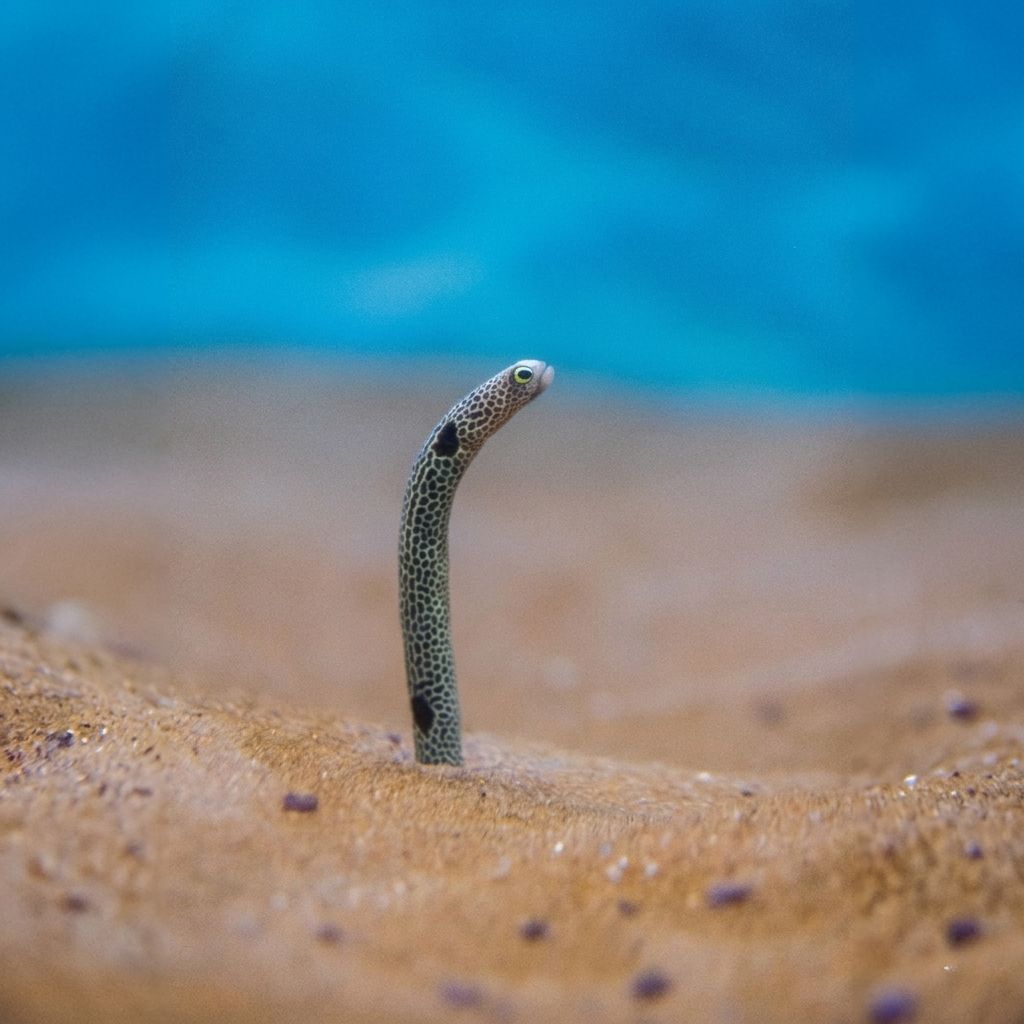
They inhabit sandy bottoms in tropical seas around the world, usually near reefs.
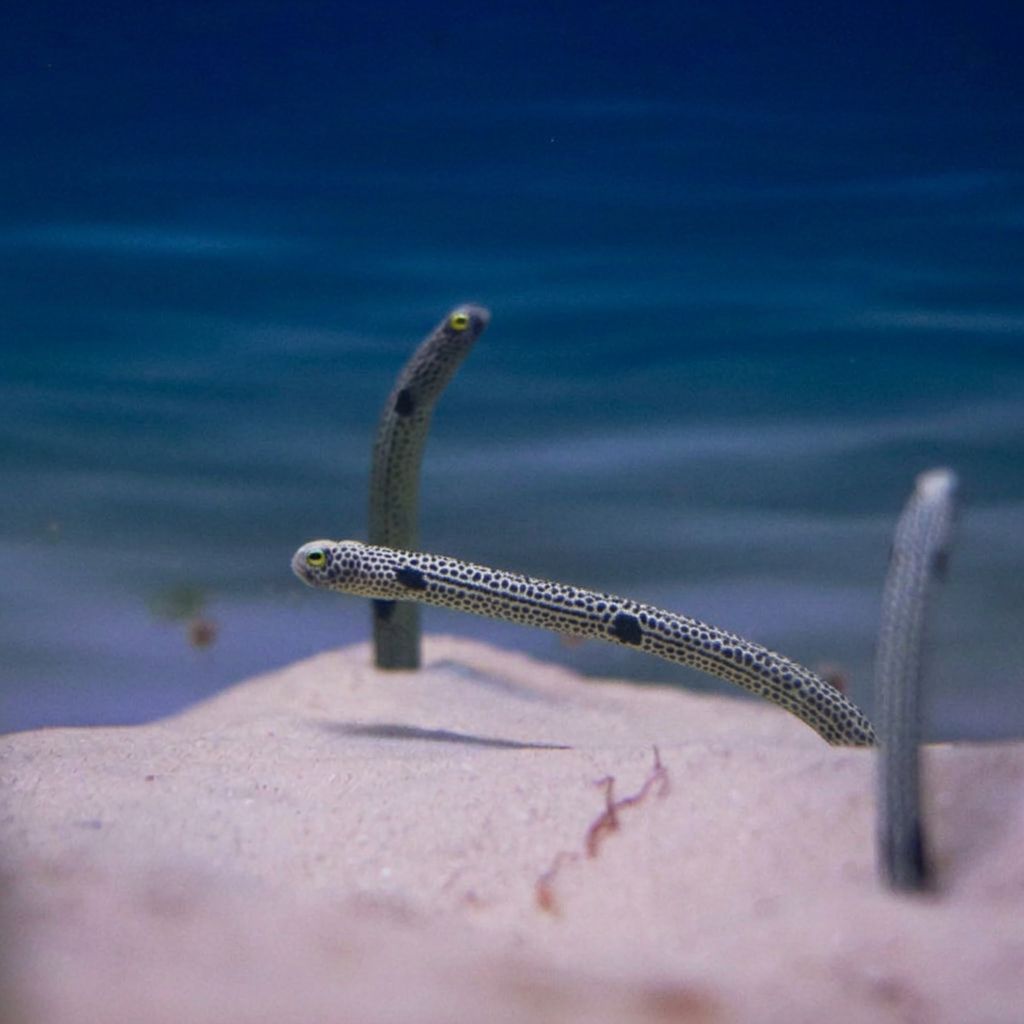
There they form colonies known as "eel gardens," living buried in individual burrows.
Slender and long bodies that can reach up to 60 centimeters.
They spend almost their entire lives half-buried, leaving only their heads and part of their bodies above the sand to feed.
They feed on plankton and small organisms captured directly from the water with quick movements.
At the first sign of danger, they retreat completely into their burrows in less than a second.
DID YOU KNOW?
• They reinforce their burrows with mucus, a sticky substance that keeps the sandy tunnel from collapsing.
• If one eel abandons its burrow, another may occupy the tunnel almost immediately, because digging a new one requires a great deal of energy.
Because they remind us that we move through life so quickly that the extraordinary can go unnoticed. Sometimes all it takes is stopping and looking differently to discover what has been there all along.
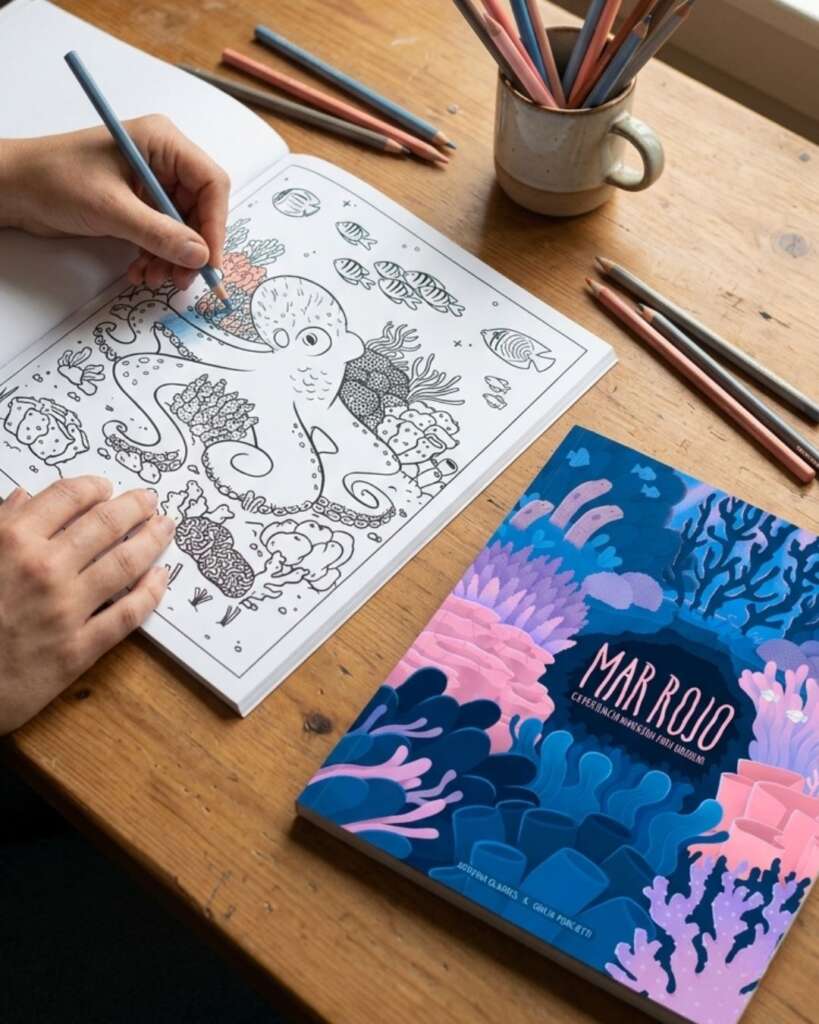
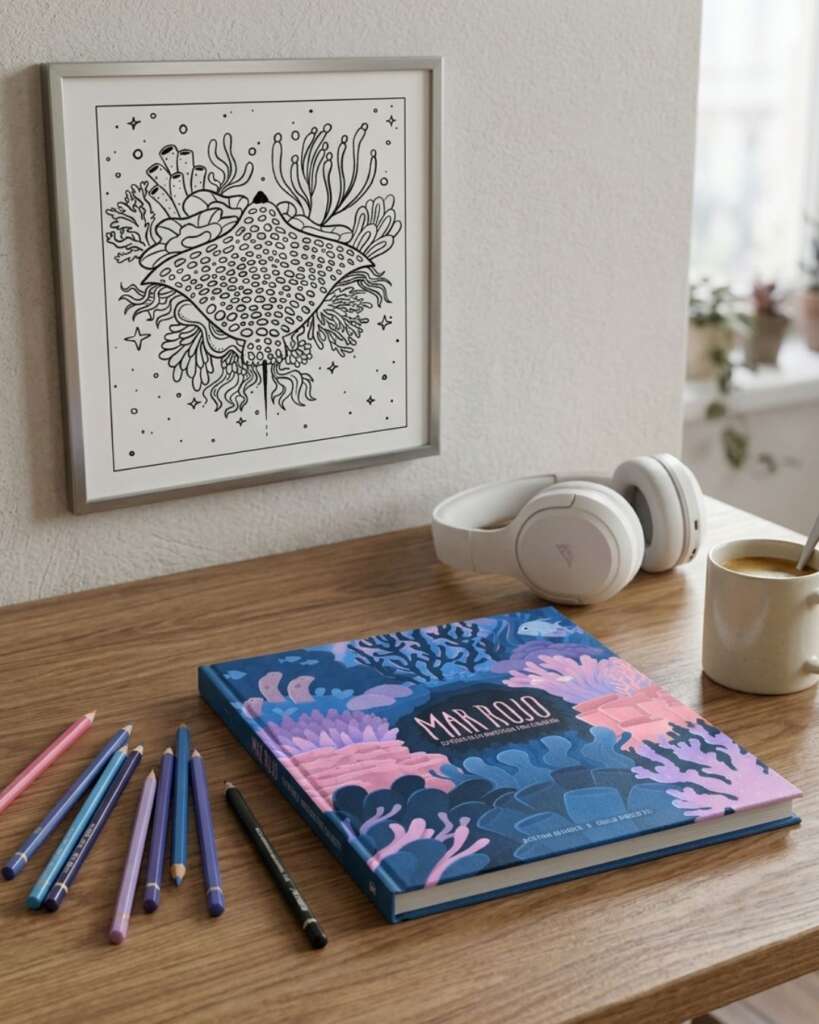
Every illustration was created to live beyond the book.
Color it. Detach it. Frame it.
Conviértela en algo que te acompañe todos los días
o regálasela a tu persona favorita 🙂
Elige tu idioma