

A LIVING MUSEUM
WHERE THERE WAS ONCE WAR, THERE IS LIFE TODAY.
WHERE
IT IS
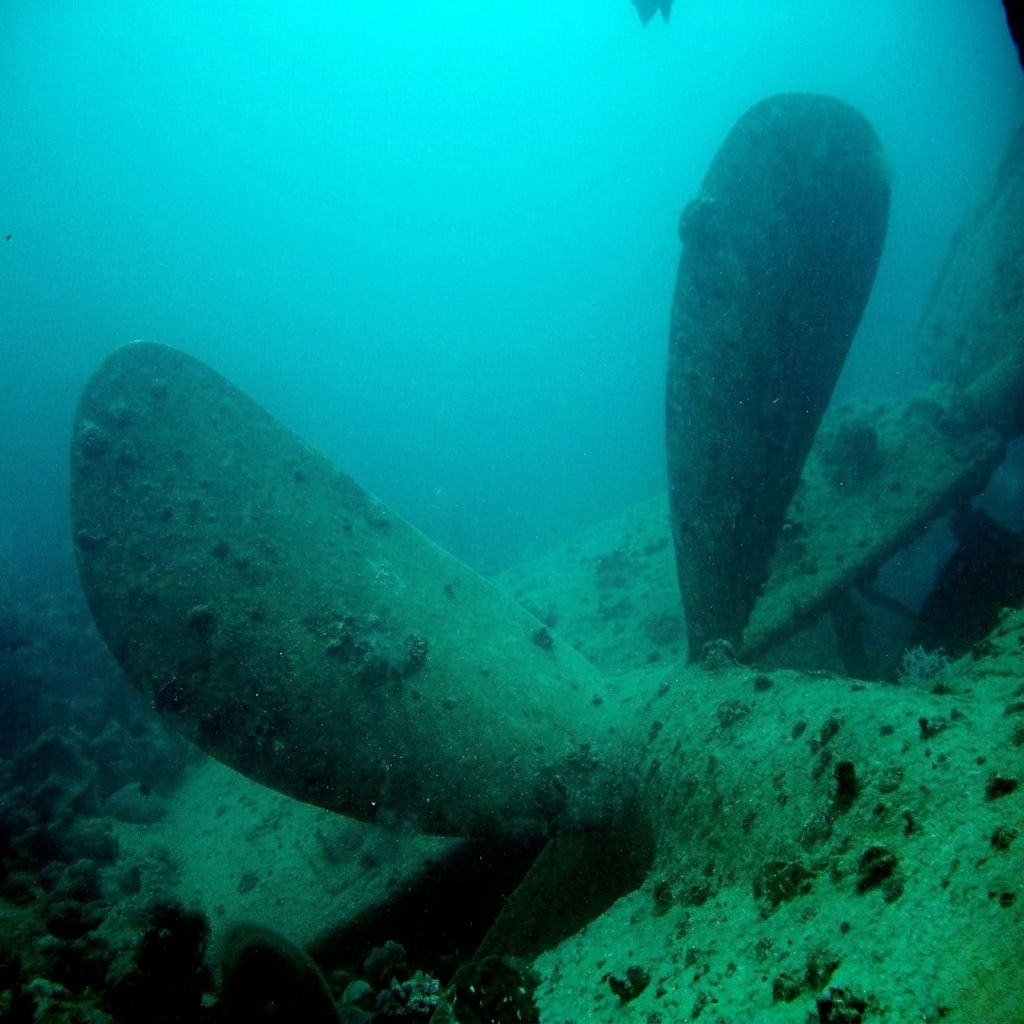
It rests on the bottom of the Red Sea near the Strait of Gubal, at a depth of about 30 meters.
It lies several hours by boat from Sharm El-Sheikh and is considered one of the world's most iconic shipwrecks..
It was a British cargo ship from World War II, built in 1940..
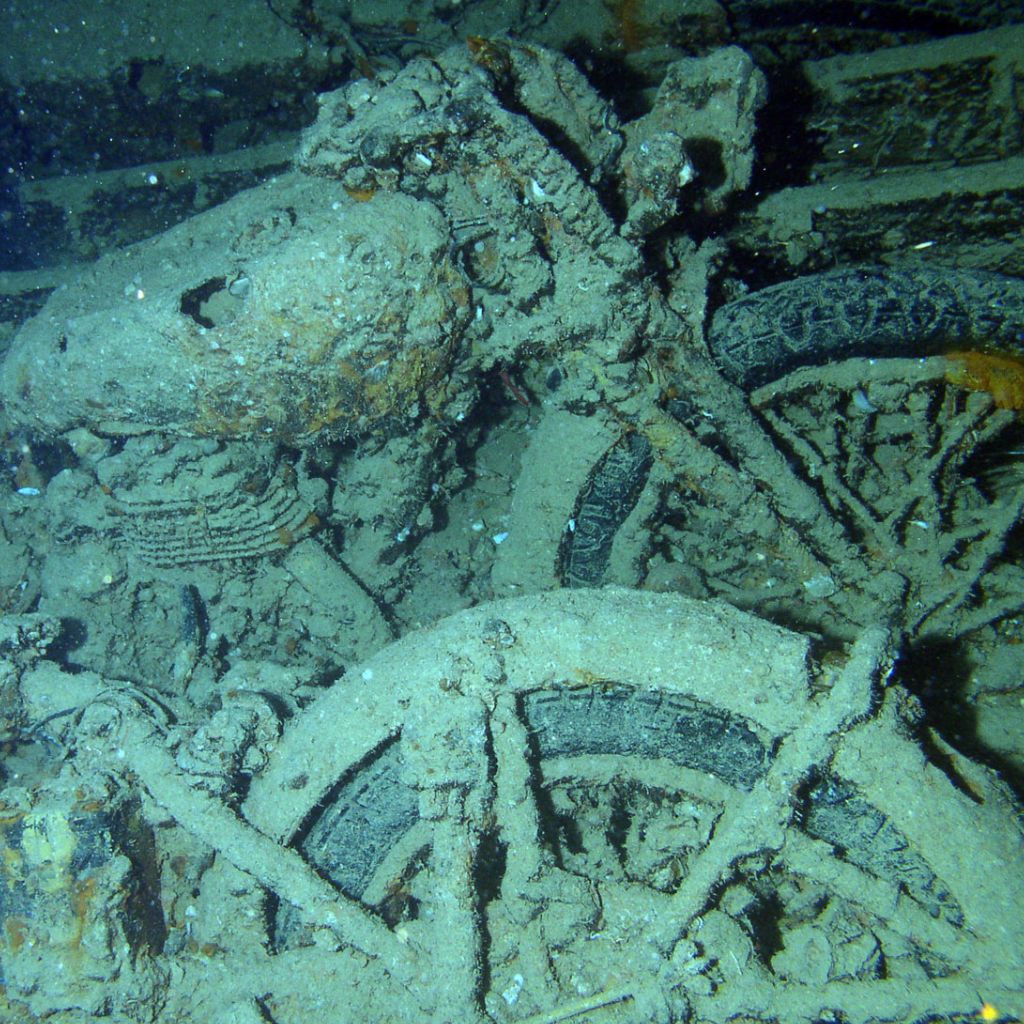
It carried motorcycles, trucks, boots, rifles, ammunition, and even locomotives intended for British troops in North Africa.
On October 6, 1941, it was bombed by German aircraft and sank within minutes.
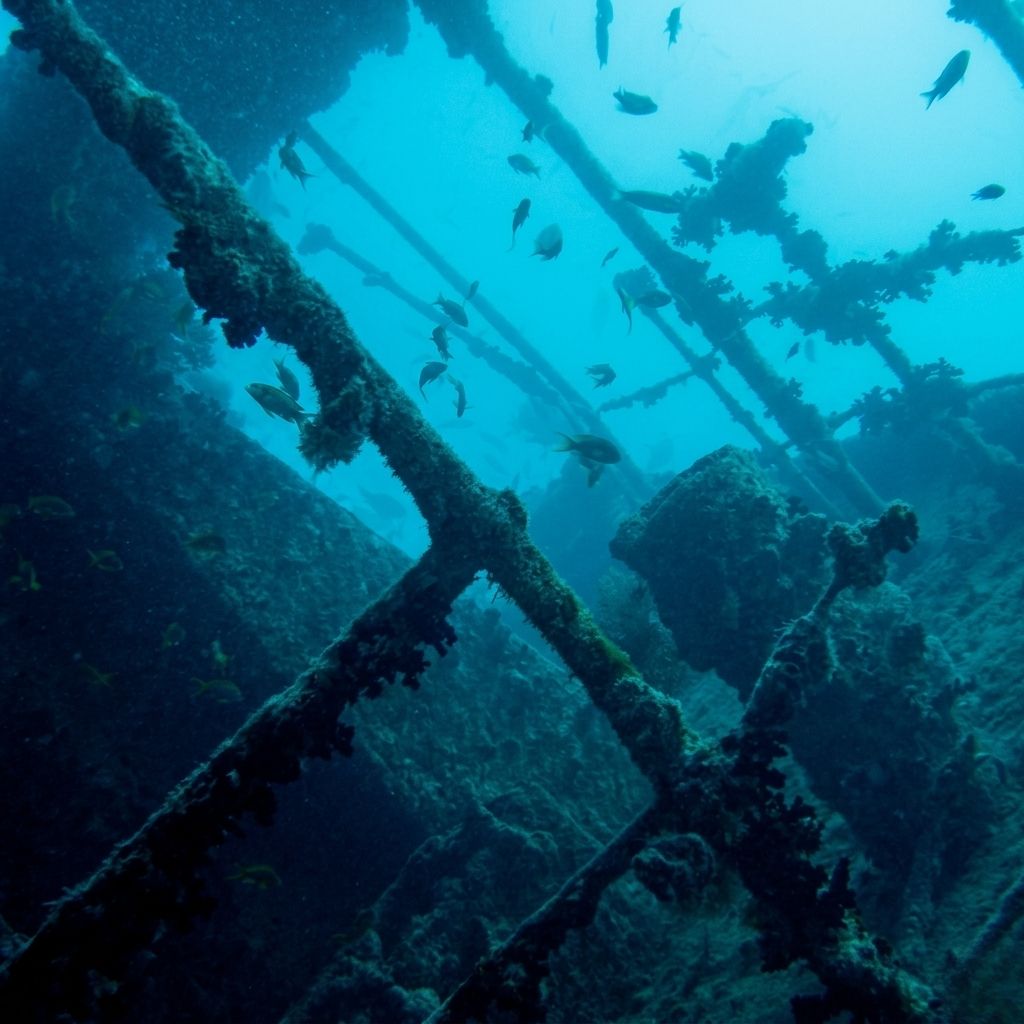
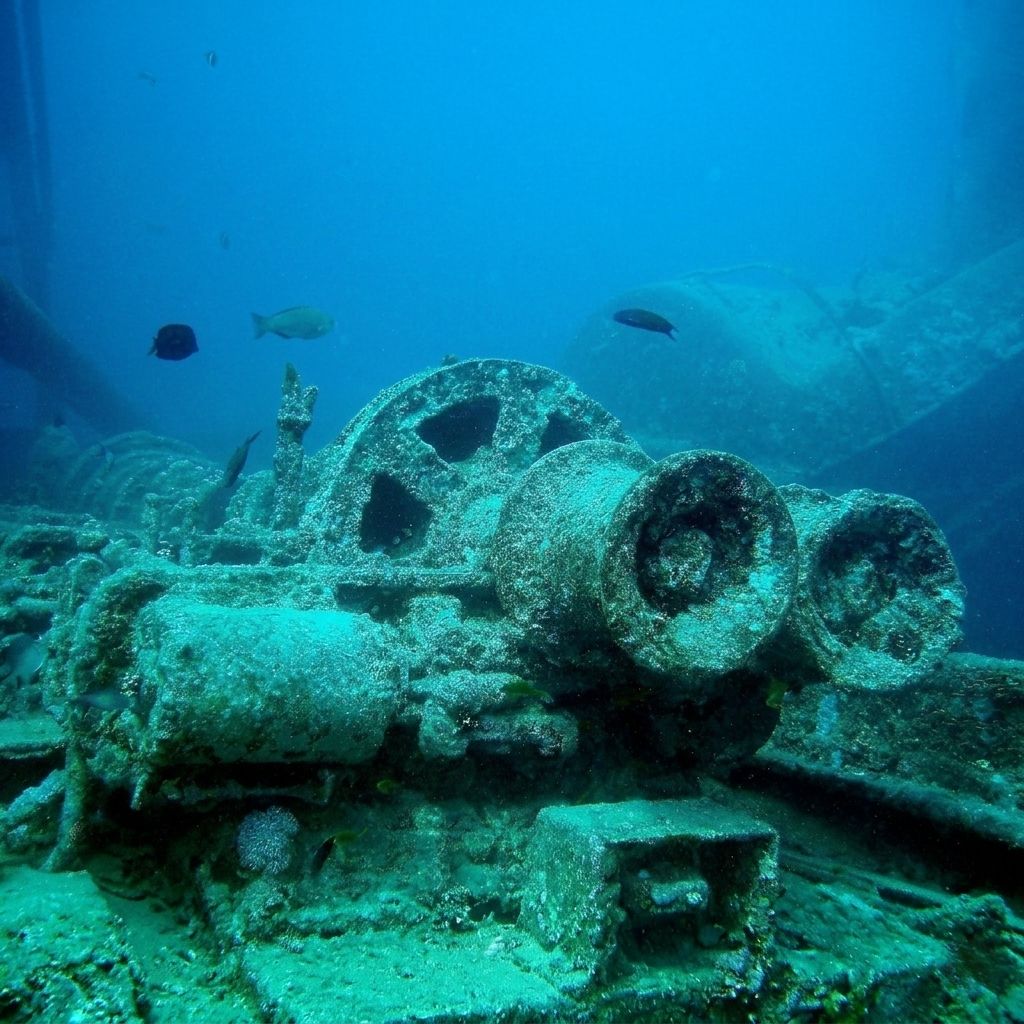
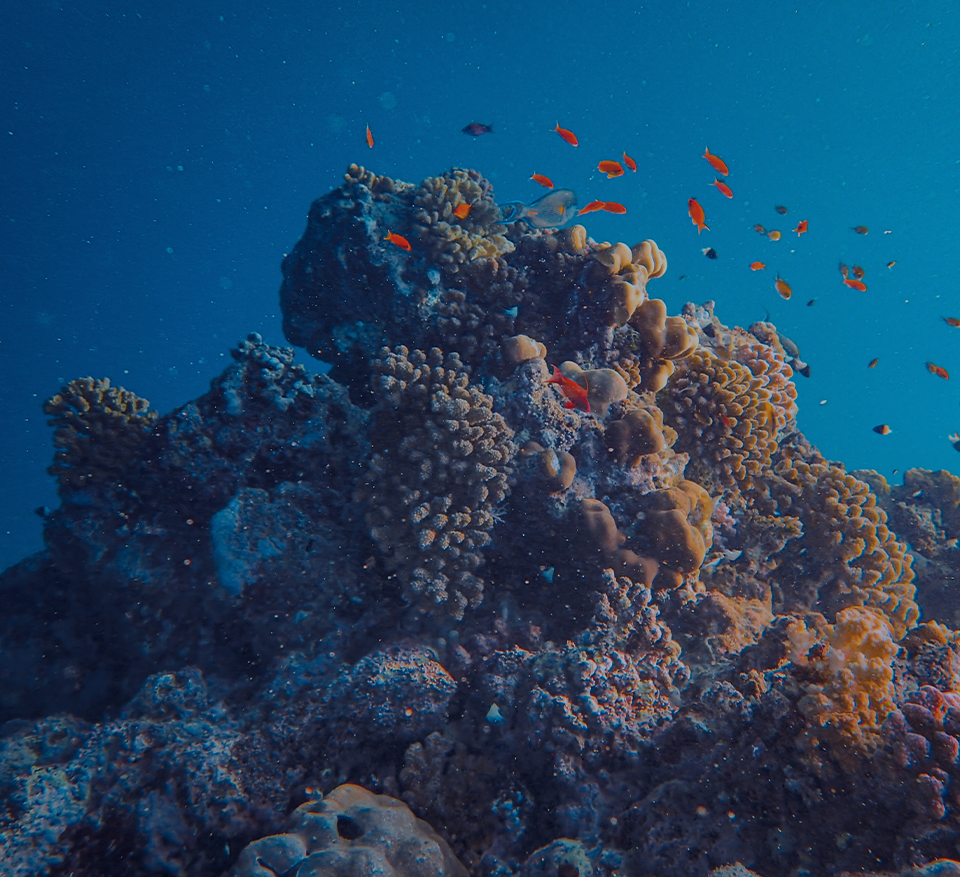
Today, its metal structure has been completely colonized by hard and soft corals, sponges, and anemones, transforming it into an artificial reef filled with life.
Boots, motorcycles, weapons, and even locomotives remain inside, and is home to moray eels, lionfish, Napoleon wrasse, and many other species.
DID YOU KNOW?
It was discovered in 1956 by Jacques Cousteau, one of the twentieth century's most important ocean explorers, who kept its location secret for years to protect it.
•It still holds its original World War II cargo. Inside the ship, divers can see BSA motorcycles, Bedford trucks, rifles, military boots, and even locomotives.
•Its structure is now covered in coral, sponges, and fish, turning it into a marine ecosystem.
•Today, it is one of the most famous shipwreck dive sites in the world.
Because it reminds us that nature does not erase scars. It transforms them. Where there was once war, there is now a refuge for life.
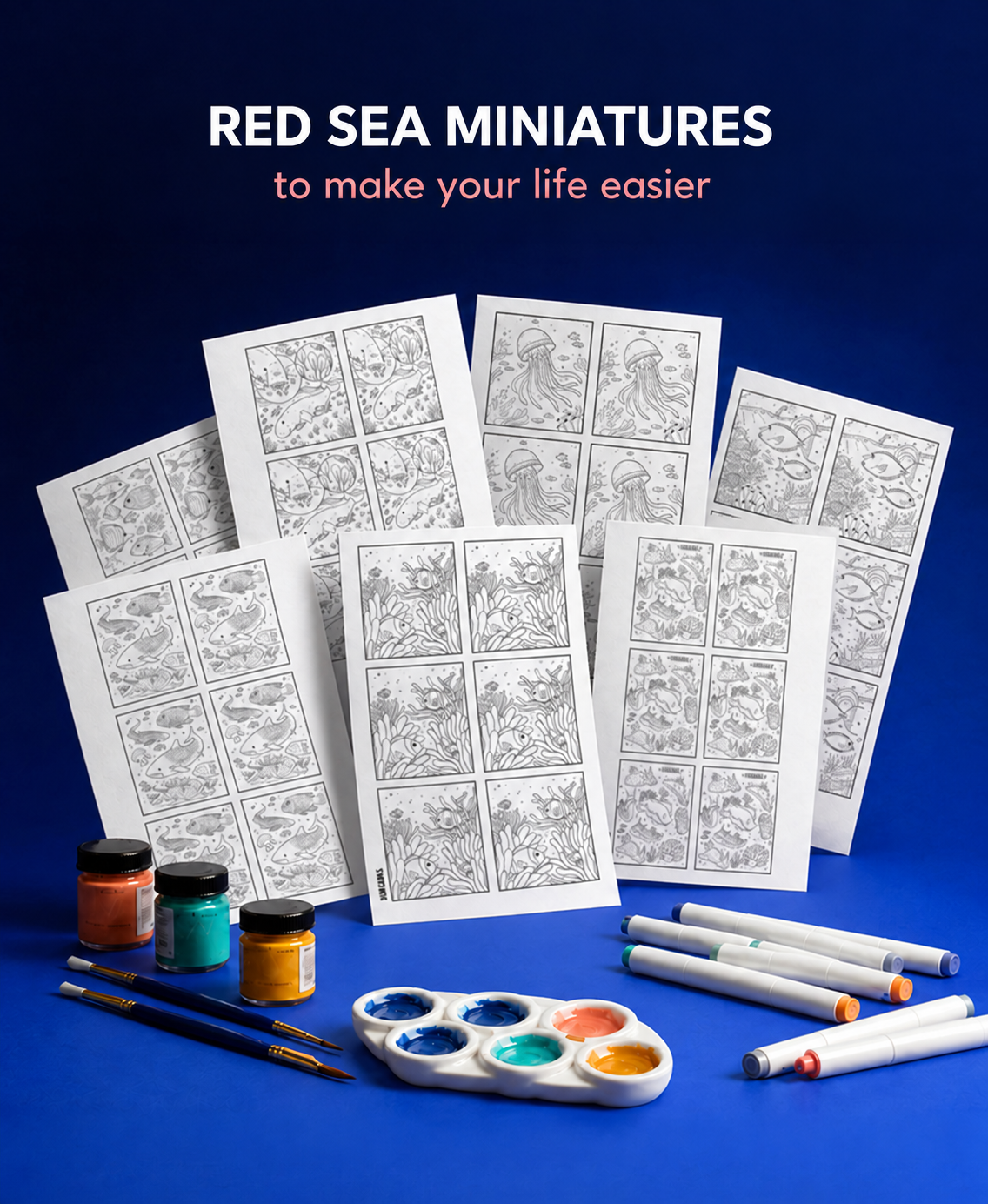
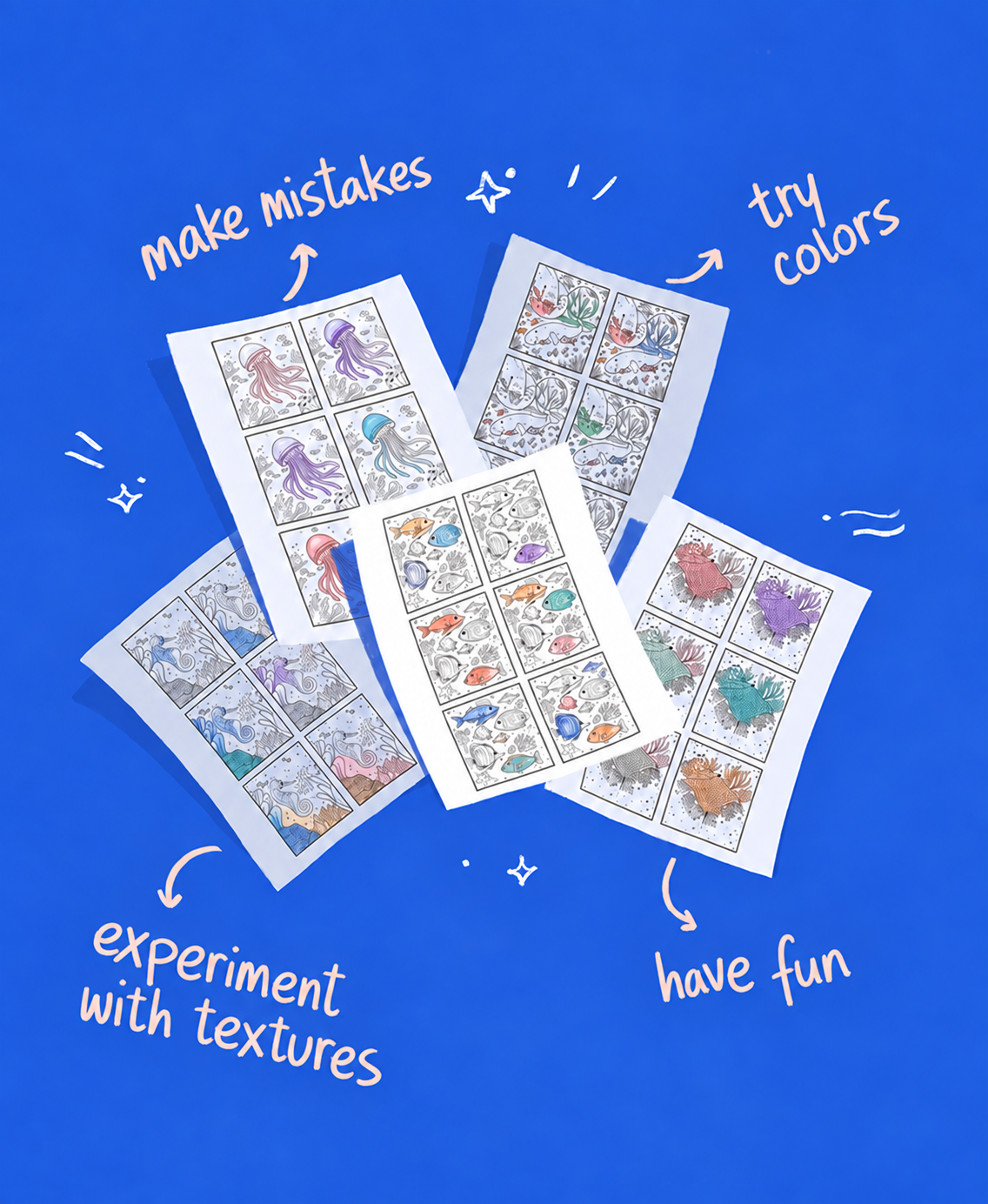
That’s why we created the thumbnails: smaller versions of the illustrations from Red Sea where you can experiment before moving on to the full-size version.
Try different colors, mix materials, and test all your ideas before bringing them to the book.
GET THE FIRST ONE FREE HERE🙂
And if you like the idea, all 22 illustrations from Red Sea have their own thumbnail.
Elige tu idioma